
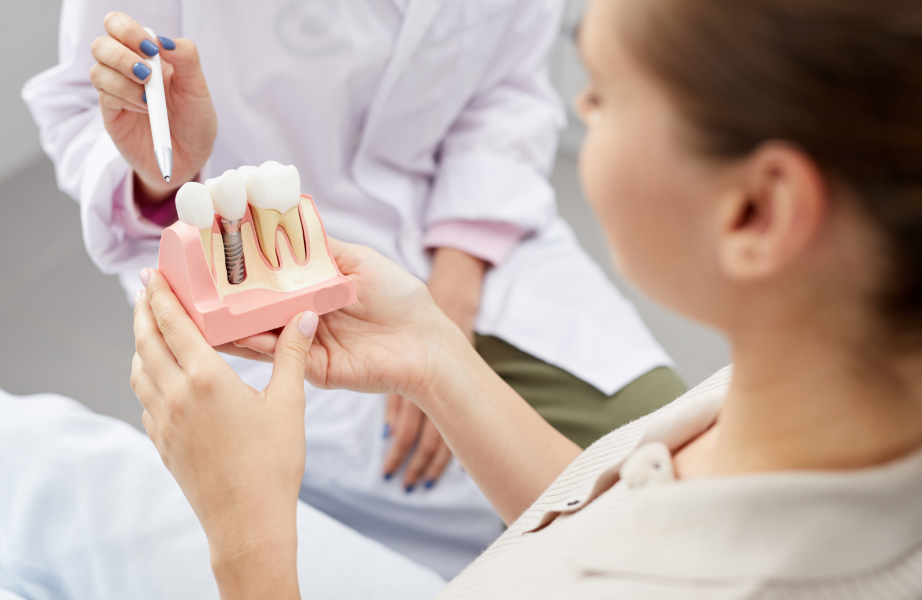
Dental implants are widely considered one of the most reliable solutions for replacing missing teeth, with success rates of 90% or higher in most cases. When successful, they look, feel, and function like natural teeth, offering long-term stability and confidence.
However, like any medical procedure, complications can occur. Recognizing the early signs of dental implant failure is important because prompt treatment can often prevent further issues and help preserve your oral health.
What a Healthy Dental Implant Should Feel Like
A successful dental implant should feel secure and comfortable once fully healed. After the initial recovery period, it should function just like a natural tooth, with no movement, discomfort, or unusual sensations.
The surrounding gum tissue should appear healthy, with no persistent swelling or irritation. Everyday activities like chewing and speaking should feel normal and pain-free.
If something doesn’t feel right, it’s worth paying attention—your body often gives early warning signs when an implant is struggling.
Common Signs of Dental Implant Failure
While dental implants have a high success rate, failure can occur for several reasons, including infection, poor healing, or insufficient bone support. Recognizing symptoms early can make a significant difference in treatment outcomes.
Some common warning signs include:
- Persistent pain or discomfort around the implant site
- Swelling or inflammation in the gums
- Bleeding that doesn’t improve after healing
- Gum recession around the implant
- Loosening or movement of the implant or crown
- Difficulty chewing or biting down normally
- Signs of infection, such as pus or bad taste
One of the most important indicators is mobility—an implant should never feel loose once it has fully integrated with the bone.
Why You Should See Your Dentist Right Away
If you notice any of these symptoms, it’s important not to wait. Early intervention can sometimes prevent further complications and may even save the implant.
Delaying treatment can allow infection or bone loss to progress, which may reduce the chances of successfully repairing the implant. Your dentist will evaluate the area, determine the cause of the issue, and recommend appropriate next steps, which may include deep cleaning, medication, or corrective procedures.
The sooner you seek care, the more options you typically have.
How to Help Prevent Implant Failure
While not all complications can be prevented, there are several ways to support long-term implant success. Good oral hygiene and consistent dental care play a major role in keeping implants healthy.
Helpful habits include:
- Brushing and flossing daily, including around the implant
- Using recommended oral hygiene tools, such as interdental brushes
- Avoiding smoking, which can interfere with healing and bone health
- Keeping up with regular dental checkups and cleanings
- Following all post-surgical instructions carefully
Maintaining healthy gums and surrounding bone structure is key to long-term implant stability.
Long-Term Care for a Lasting Smile
Dental implants are designed to be a long-term solution, but their success depends on both professional care and daily maintenance. Most complications are preventable when patients stay proactive about oral hygiene and routine dental visits.
With proper care, implants can remain strong and functional for many years, offering a reliable replacement for missing teeth and supporting overall oral health. Being aware of the warning signs ensures you can act quickly if something changes.
About the Practice
At Khoi Dental Group, patients receive comprehensive restorative care with a focus on long-term oral health and successful dental implant outcomes. Dr. Khoi Le and Dr. Edward Murray provide individualized treatment plans for implant placement, maintenance, and salvage procedures when needed. With an emphasis on early detection and preventive care, they help patients protect their oral health and maintain strong, functional smiles.
Call us at (904) 262–8409 or schedule your appointment online.