
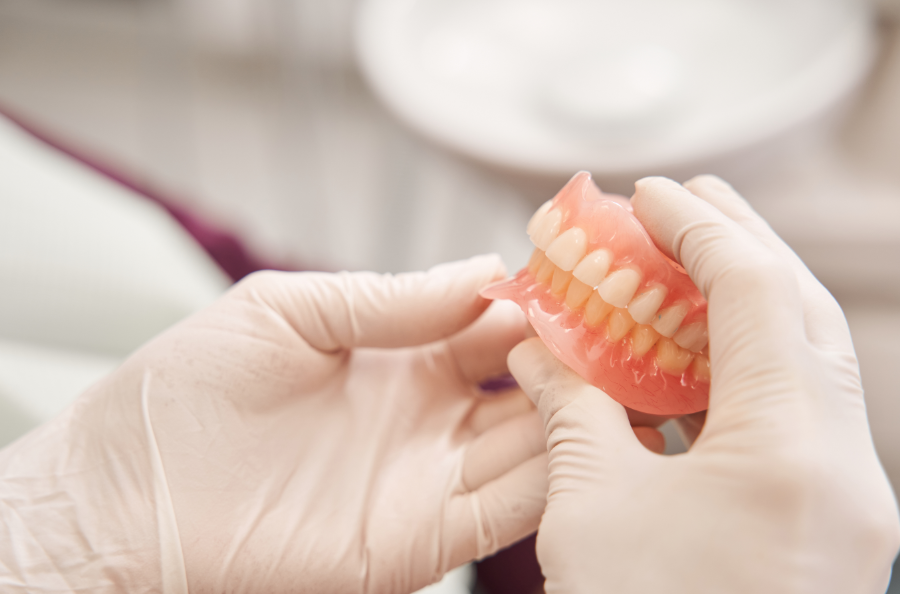
Modern dentures are more natural-looking, comfortable, and functional than ever before. Many patients adapt quickly and enjoy being able to eat, speak, and smile with confidence again. Because they feel so natural, it can be tempting to wear them all day and even sleep in them.
However, even though dentures are designed for daily use, wearing them 24/7 is not recommended. Your mouth needs time to rest, and removing your dentures regularly plays an important role in maintaining oral health and protecting your gums.
Understanding how long you should wear dentures—and why breaks are necessary—can help you avoid common complications and extend the life of your prosthetic teeth.
How Long Should You Wear Dentures Each Day?
Dentists generally recommend wearing dentures during the day and removing them at night. This allows you to function normally while giving your gums and oral tissues time to recover while you sleep.
Most patients wear their dentures for about 12 to 16 hours per day, depending on their routine. The key is consistency: wear them while eating, speaking, and socializing, then remove them before bedtime.
Taking dentures out at night is one of the simplest ways to support long-term oral health.
Why You Should Not Wear Dentures 24/7
Wearing dentures continuously can create several problems over time. One of the most common issues is irritation of the gums. Dentures place constant pressure on soft tissues, and without breaks, this pressure can lead to soreness, inflammation, or even tissue breakdown.
Another concern is bacterial and fungal growth. The warm, moist environment under dentures can become a breeding ground for bacteria and yeast if they are not removed and cleaned regularly. This can increase the risk of infections such as denture stomatitis, which causes redness and discomfort.
Removing dentures also allows saliva to circulate more freely, which helps naturally cleanse the mouth and maintain a healthier oral environment.
The Importance of Nighttime Removal
Nighttime is when your mouth gets the longest break from daily activity. Removing dentures before bed gives your gums a chance to rest and recover from the pressure of wearing prosthetics throughout the day.
This rest period also helps reduce the risk of long-term changes in gum shape and bone structure. Over time, constant denture wear can contribute to gradual changes in the mouth, which may affect fit and comfort.
By taking dentures out at night, patients support both comfort and stability over the long term.
How to Care for Your Dentures Overnight
Proper cleaning is an important part of denture care. After removing your dentures, they should be brushed gently with a soft denture brush and a non-abrasive cleaner to remove food particles and plaque.
Most dentures should then be soaked overnight in a denture-cleaning solution or plain water, depending on your dentist’s recommendation. This helps keep them moist and maintains their shape.
It’s also important to rinse dentures thoroughly before placing them back in your mouth each morning.
When to Talk to Your Dentist
If your dentures feel uncomfortable, cause persistent sore spots, or no longer fit properly, it’s important to schedule a dental visit. Ill-fitting dentures can lead to irritation and make daily wear more difficult.
Your dentist can adjust, reline, or replace your dentures to improve comfort and function. Regular checkups also ensure that your gums and oral tissues remain healthy.
Dentures are designed to improve quality of life, but they work best when paired with proper care and routine rest.
About the Practice
Our dynamic dental team specializes in personalized restorative dental care focused on comfort, function, and long-term oral health at Khoi Dental Group. Dr. Khoi Le and Dr. Edward Murray create custom dentures designed to restore confident eating, speaking, and smiling. With a patient-centered approach and attention to fit and comfort, we help patients maintain healthy oral tissues while ensuring their dentures remain secure, functional, and natural-looking.
Call us at (904) 262-8409 or schedule your appointment online.